
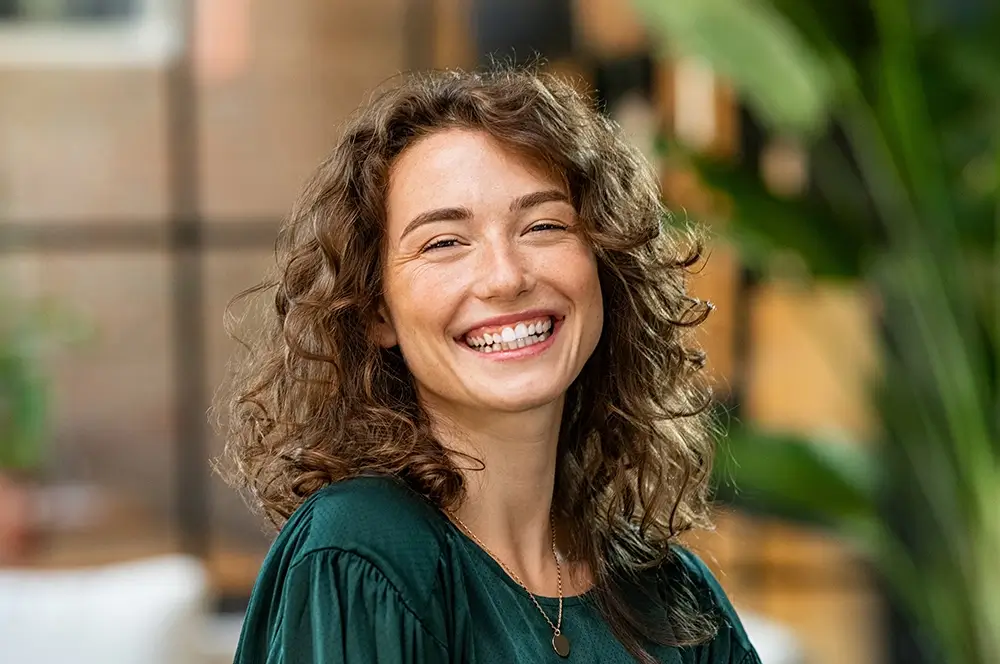
Have you ever noticed someone with a beautiful smile that somehow doesn’t quite suit them? Maybe the teeth are perfectly white and straight, but something feels off. The smile looks generic, artificial, or like it belongs to someone else entirely.
This happens more often than it should in cosmetic dentistry. Some practices approach smile design with a one-size-fits-all mentality, creating the same style of smile for everyone regardless of their individual features, personality, or preferences.
At Braden Dental Center, we believe your smile should be as unique as you are. When we design a new smile, we’re not trying to give you someone else’s teeth. We’re working to enhance your natural beauty in a way that feels authentic and reflects who you are as an individual.
This personalized approach to cosmetic dentistry is what separates truly exceptional results from merely adequate ones.
Why Cookie-Cutter Smiles Don’t Work
Walk into some dental offices and you’ll see the same “after” photos repeated over and over. Bright white, perfectly rectangular teeth. Every smile looking like it came from the same template. These smiles might be technically well-executed, but they lack the individuality that makes a smile feel natural.
Your face is unique. Your bone structure, lip shape, facial proportions, and features belong to you alone. A smile designed without considering these individual characteristics will always look out of place, no matter how technically perfect it might be.
Beyond physical features, your personality matters too. Are you bold and outgoing, or more reserved and understated? Do you have a playful energy, or do you project quiet confidence? Your smile should align with these personality traits. An extroverted person might love a bright, attention-getting smile, while someone with a more subtle personality might prefer refined elegance over dramatic transformation.
Research from the American Academy of Cosmetic Dentistry confirms what dentists have observed for years: patient satisfaction with cosmetic dentistry correlates strongly with how well the results match the patient’s self-image and personality. When people feel their new smile is authentically “them,” satisfaction rates soar. When they feel their smile looks foreign or artificial, dissatisfaction follows even if the technical execution was flawless.
The Science of Facial Proportions and Smile Aesthetics
Creating a personalized smile isn’t guesswork. It’s based on well-established principles of facial aesthetics and proportions.
The Golden Ratio
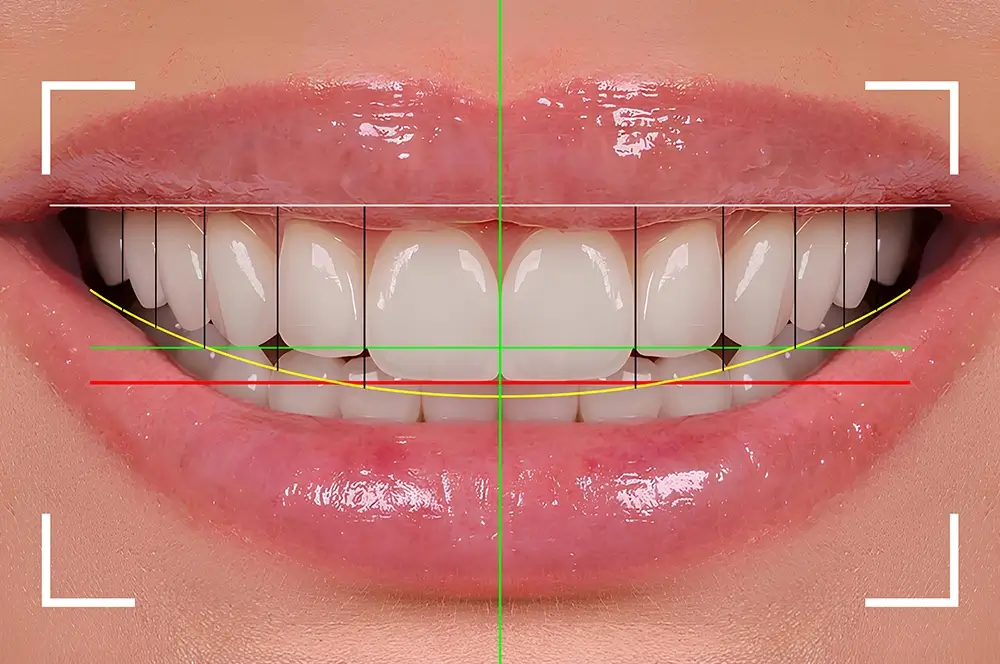
Dentists and artists have long recognized that certain proportions are universally perceived as aesthetically pleasing. The golden ratio, approximately 1.618:1, appears throughout nature and art. In smile design, this ratio helps determine the ideal width relationship between teeth.
For example, when viewed from the front, your central incisors (front teeth) should be approximately 1.6 times wider than your lateral incisors (the teeth on either side). When teeth follow these proportional relationships, the smile appears naturally balanced and attractive.
However, these are guidelines, not rigid rules. Individual variations based on your unique facial structure and features may call for adjustments to achieve the best result for you specifically.
Facial Symmetry and Balance
Your smile exists within the context of your entire face. We evaluate how your teeth relate to your lips, nose, eyes, and overall facial width. The edges of your smile should typically align with the center of your eyes, creating visual harmony.
We also consider your facial midline. The center point between your two front teeth should generally align with the center of your face, though slight natural variations are common and sometimes preferable depending on other factors.
Lip Dynamics and Tooth Display
How much of your teeth show when you smile depends on your lip structure and movement. Some people have full, prominent lips that partially cover their teeth. Others have thinner lips that reveal more tooth surface.
When designing your smile, we analyze how your lips move when you speak and smile. We consider how much tooth and gum tissue shows during different expressions. This ensures your new smile looks natural in various situations, not just when you’re posing for a photo.
According to research published in the Journal of Esthetic and Restorative Dentistry, successful cosmetic outcomes depend on understanding these dynamic relationships between teeth, lips, and facial movement patterns.
Understanding Your Personal Aesthetic Goals
The technical aspects of smile design matter, but they’re only part of the equation. Understanding what you want is equally important.
During your Digital Smile Design consultation, Dr. Ryan Braden and Dr. Jaymie Braden spend significant time in conversation before touching any technology. They ask questions designed to understand your vision:
What specifically bothers you about your current smile? Is it the color, the shape of individual teeth, gaps or crowding, the overall appearance, or specific teeth that draw your attention?
What do you like about your current smile? Often people want to improve certain aspects while preserving characteristics they already appreciate. Maybe you like the overall shape but want whiter teeth. Or perhaps you want to change the size but maintain the natural translucency.
What does your ideal smile look like to you? This question helps us understand your aesthetic preferences. Some patients bring photos of smiles they admire, which provides helpful insight into their taste and goals.
How do you want to feel when you smile? This gets at the emotional aspect of smile design. Do you want to feel confident, youthful, professional, approachable, glamorous? Different smile characteristics evoke different impressions.
How does your smile fit into your lifestyle? Your profession, social activities, and daily life influence what kind of smile suits you best. Someone who’s frequently in professional settings might prioritize a polished, refined appearance, while someone in a creative field might embrace a more distinctive look.
These conversations reveal not just what you want but who you are. That understanding shapes every design decision we make.
Matching Teeth Characteristics to Your Features
Once we understand your goals and have analyzed your facial proportions, we begin designing specific tooth characteristics that suit you individually.
Tooth Shape
Teeth come in various shapes, each creating a different impression. Rounded, softer tooth edges create a gentle, approachable appearance. More angular, defined edges project confidence and sophistication. Slightly irregular edges with natural variations look organic and authentic.
We select tooth shapes that harmonize with your facial features. Angular faces often look best with teeth that have some definition to their edges. Rounder faces typically pair well with softer tooth contours. Your gender presentation, age, and personal style also influence these decisions.
Tooth Size and Proportions
Larger teeth make a bold statement and can create a more youthful appearance. Smaller, more refined teeth project elegance and subtlety. The right size for you depends on your facial proportions, lip structure, and personal preferences.
We also consider the proportional relationship between your teeth and other facial features. Your teeth should be proportional to the size of your face, the width of your smile, and the scale of your other features.
Color and Translucency
Tooth color is more nuanced than many people realize. Natural teeth aren’t uniformly white. They have subtle color variations, with the base of the tooth near the gum line typically appearing slightly darker than the biting edge.
Teeth also have varying degrees of translucency, particularly at the edges. This translucency gives teeth depth and natural appearance. Without it, teeth can look flat and artificial, like pieces of white plastic.
When selecting color for your new smile, we consider your skin tone, eye color, and personal preferences. We show you options and discuss how different shades will look. Some patients want dramatic whiteness, while others prefer a more natural tone that’s improved but not theatrical.
Research from dental aesthetics journals confirms that slight imperfections and natural variations actually make teeth look more authentic. Perfect symmetry and uniformity can paradoxically make a smile look less natural.
Texture and Surface Characteristics
Natural teeth have subtle texture and surface variations. Light interacts with these micro-textures, creating the visual interest that makes teeth look real rather than artificial.
When creating your new smile, we replicate these natural characteristics. Your teeth will have appropriate texture that makes them look like genuine, healthy teeth rather than porcelain facades.
Age-Appropriate Smile Design
Your age influences what looks natural and appropriate for your smile.
Youthful Smiles
Younger teeth typically have certain characteristics: slightly longer central incisors, more pronounced tooth edges, brighter color, and more translucency at the biting edges. If you’re seeking a more youthful appearance, we can incorporate these features appropriately.
However, we’re careful about creating smiles that look too young for the person wearing them. A 60-year-old with teeth that would look natural on a 20-year-old creates visual discord. The goal is to look refreshed and vibrant while still looking like yourself.
Mature Sophistication
As people age, teeth naturally wear down slightly, become a bit shorter, and develop subtle wear patterns. For patients who want to maintain a mature, distinguished appearance, we design smiles that reflect refined elegance without trying to turn back the clock dramatically.
This doesn’t mean accepting damaged or severely worn teeth. It means creating beautiful, healthy-looking teeth that suit your stage of life.
Incorporating Your Lifestyle and Profession
Your daily life and career influence what kind of smile serves you best.
Professional Considerations
Someone in a conservative profession like law or finance might prefer a polished, professional smile that projects credibility and trustworthiness. Bright white is fine, but not so bright it becomes distracting.
Creative professionals often have more flexibility to embrace distinctive, expressive smiles that reflect their artistic sensibilities.
People in public-facing roles like sales, hospitality, or media might prioritize a warm, approachable smile that puts others at ease.
Social and Personal Factors
Your social life and personal activities matter too. Are you frequently photographed? Do you speak publicly? Are you camera-shy and prefer to blend in? These factors influence design decisions.
Some patients tell us they avoid smiling in photos because they’re self-conscious about their teeth. For them, gaining confidence is as important as aesthetics. Their new smile needs to be something they’re excited to show, not just something that looks good technically.
The Role of Technology in Personalization
While understanding you as an individual is fundamentally about human connection and communication, technology plays a crucial role in translating that understanding into precise design.
Digital Smile Design technology allows us to create multiple design options and show you variations. Want to see how slightly larger teeth would look compared to a more conservative size? We can show you both. Curious whether bright white or a more natural tone suits you better? We’ll create versions of each.
This technology enables collaboration. You’re not simply approving or rejecting a design we create in isolation. You’re actively participating in the design process, providing feedback and helping refine the plan until it matches your vision.
The smile test drive technology takes personalization even further by letting you experience your new smile physically, ensuring it feels as good as it looks.
Real Stories of Personalized Smile Transformation
Jennifer, a high school teacher from Lake Geneva, came to us wanting a smile makeover but worried about looking artificial. “I didn’t want my students to walk in and immediately notice I’d had major dental work done,” she explained. We designed a smile that was noticeably improved but maintained natural variations and characteristics. Her feedback after treatment: “People tell me I look great, but they can’t quite figure out what’s different. That’s exactly what I wanted.”
Robert, an attorney, had different goals. He wanted a confident, polished smile that commanded respect in the courtroom. We created a sophisticated look with clean lines and refined proportions. “My smile now matches how I want to present myself professionally,” he told us. “It’s made a real difference in my confidence.”
These different outcomes, both successful, illustrate why personalization matters. Jennifer and Robert had completely different needs and preferences. A single template approach would have failed one or both of them.
Beyond Aesthetics: Functional Considerations
Personalized smile design isn’t only about appearance. We also consider how your new smile will function.
Bite Alignment and Comfort
Your new teeth need to fit properly with your bite. We ensure that when you close your mouth, your teeth come together correctly without creating stress on your jaw joints or causing discomfort.
Speech Patterns
Teeth play a role in speech. Certain sounds require your tongue to interact with your teeth in specific ways. We design your smile to maintain proper speech function while achieving your aesthetic goals.
Long-Term Durability
Your smile needs to withstand the forces of chewing, grinding, and daily use. We select materials and designs that combine beauty with structural integrity, ensuring your investment lasts for years.
These functional considerations are seamlessly integrated into the aesthetic design, creating a smile that’s both beautiful and practical.
Working With Existing Dental Work
Many patients already have some dental work like crowns, fillings, or previous veneers. Personalizing your new smile includes considering this existing work.
Sometimes we can preserve and work around existing restorations. Other times, replacing old work as part of your new smile design makes sense. We evaluate each situation individually and discuss options with you.
Our restorative dentistry expertise allows us to integrate aesthetic improvements with necessary dental repairs, creating comprehensive treatment plans that address both function and appearance.
The Consultation Process: Getting Started
Personalized smile design begins with your consultation. This isn’t a quick assessment where we tell you what you need. It’s an in-depth conversation where we listen carefully to what you want.
Plan to spend meaningful time during your consultation. We’ll examine your teeth and oral health, capture digital images and impressions, and most importantly, talk with you about your goals and concerns.
We’ll show you examples of different smile styles and characteristics, helping you articulate preferences you might not have known how to express. We’ll explain what’s possible given your specific dental situation and discuss any limitations or considerations.
By the end of your consultation, you’ll have a clear understanding of how we’ll create a smile that’s uniquely yours. You’ll understand the complete process from initial design through your final result, including how long treatment will take and what to expect at each stage.
Your Smile, Your Identity
Your smile is deeply connected to your identity and self-expression. When you change your smile, you’re not just changing teeth. You’re potentially changing how you present yourself to the world and how you feel about yourself.
This is why personalization matters so profoundly. An authentic, personalized smile enhances who you already are. It doesn’t try to make you into someone else. It helps you show up as your best self with confidence and pride.
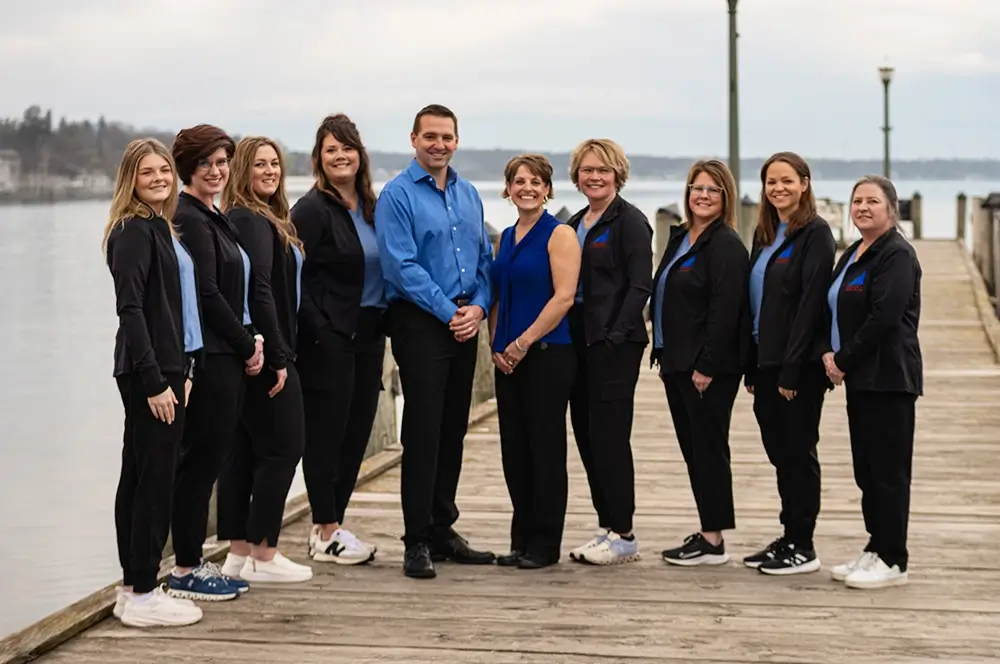
At Braden Dental Center, we’re honored to be part of this process. Dr. Ryan Braden and Dr. Jaymie Braden have built their practice around the belief that exceptional cosmetic dentistry requires both technical excellence and genuine understanding of each patient as an individual.
Whether you’re considering subtle refinements or dramatic transformation, the approach remains the same: we listen first, design collaboratively, and create results that feel authentically yours.
Taking Your Next Step
If you’re ready to explore what personalized cosmetic dentistry can achieve for you, we invite you to schedule a consultation. Call us at 262-248-0120 to begin the conversation.
During your visit, we’ll discuss your unique goals, examine your smile, and show you how our personalized approach works. There’s no pressure and no obligation. We simply want to understand what you’re hoping to achieve and show you how we can help you get there.
Your smile should tell your story, reflect your personality, and make you feel genuinely happy every time you see your reflection. With personalized smile design, that’s exactly what you’ll get.
Visit Braden Dental Center
We can see you as soon as tomorrow!